You don’t need a history degree to visit Korea. But knowing the rough shape of the last 80 years makes a lot of what you’ll see here make much more sense — why the country feels so new and so old at the same time, why there’s a heavily fortified border surprisingly close to Seoul, and why “fast” is basically a personality trait here.
Here’s the compressed version.
Before 1945 — The Korea That’s Still Here
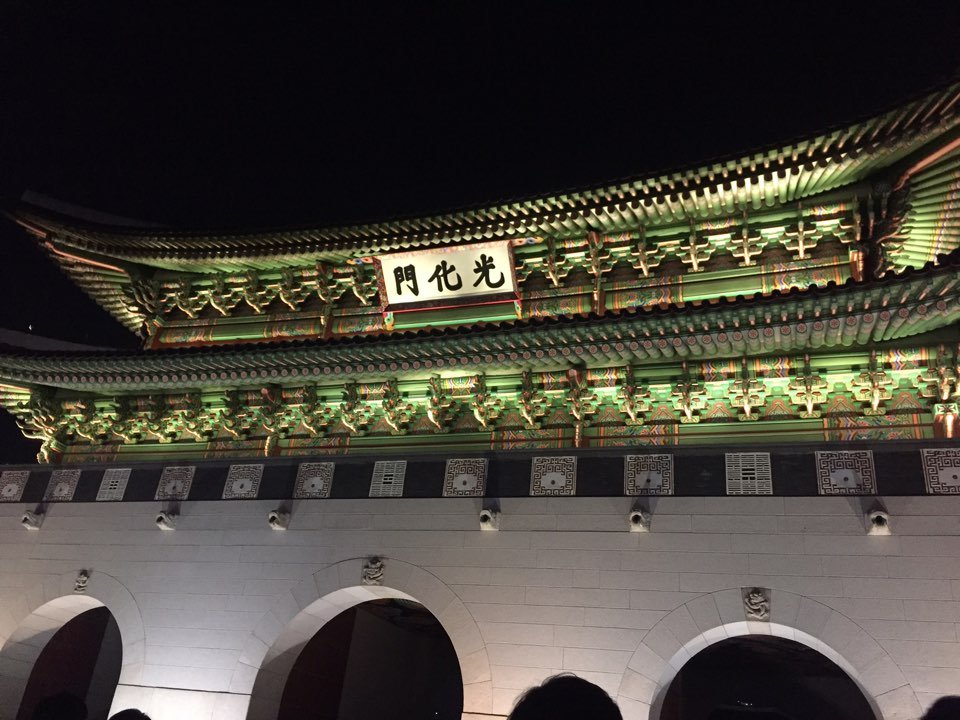
You’ll probably visit Gyeongbokgung at some point, and it’s worth knowing that you’re looking at something much older than the Korea described in the rest of this article. Built in 1395, Gyeongbokgung was the main palace of the Joseon Dynasty and stood at the heart of Seoul, then called Hanyang, for centuries. Much of what you see today has been rebuilt and restored after the palace was damaged and demolished over the course of Korea’s turbulent modern history.
That’s part of what makes Seoul feel slightly strange in the best way. You can walk through a palace that dates back more than 600 years, leave through the gates, and find yourself surrounded by glass towers, cafés, traffic, and one of the fastest-moving cities in Asia.
Then things get complicated.
1945 — Liberation, Then an Immediate Split
Korea spent 35 years under Japanese colonial rule before being liberated in 1945 at the end of World War II. The celebration didn’t last long. The peninsula was divided at the 38th parallel, with the Soviet Union administering the north and the United States administering the south. The division was intended to be temporary. It wasn’t.
1950–1953 — The Korean War
North Korea invaded the South in June 1950, and three years of war followed, drawing in the United States, China, and other countries. It ended in 1953 not with a peace treaty but an armistice — a ceasefire that remains in effect today.
The two Koreas never signed a peace treaty, so the Korean War was never formally ended. That’s the origin of the DMZ, the heavily fortified area that now sits surprisingly close to Seoul and, somewhat strangely, has become a real tourist destination.
The war left South Korea devastated and desperately poor. For years afterward, it was one of the poorest countries in the world.
1960s–1980s — The Miracle on the Han River
This is the stretch that explains the Korea you’re actually visiting. Under Park Chung-hee’s government, the country pursued aggressive export-driven growth — five-year economic plans, massive infrastructure projects like the Gyeongbu Expressway, and a rural modernization push called the Saemaul Movement. The 1970s in particular were a period of extraordinary transformation.
It wasn’t a clean story. Park’s rule became increasingly authoritarian, and after his assassination in 1979, a military coup brought Chun Doo-hwan to power — followed by the brutal suppression of the 1980 Gwangju Uprising, a pro-democracy movement put down by force. Democratization didn’t fully arrive until the June Struggle of 1987, which led to constitutional changes restoring direct presidential elections.
1988 — The Olympics as a Statement
Seoul hosting the 1988 Summer Olympics was about more than sports. It was Korea telling the world, and arguably itself, that the transformation from war-ravaged country to modern economy was real. The country co-hosted the World Cup with Japan in 2002, another marker of how far things had come.
1997 — The Crisis Nobody Saw Coming
Just as Korea was settling into its new identity as a developed economy, the 1997 Asian Financial Crisis hit, and Korea turned to the IMF for a major rescue program.
It was a genuine shock to a country that had only recently started believing its prosperity was permanent — and it’s part of why financial caution still runs deep in a lot of Korean households today.
2000s–Now — Where the K- Prefix Comes From
Korea recovered, and then some. The conglomerates that powered much of the earlier growth — Samsung, LG, Hyundai — became global names. And the cultural exports that didn’t exist on anyone’s radar a generation ago — K-pop, K-dramas, Korean film, Korean beauty — turned into some of the country’s most visible global identities.
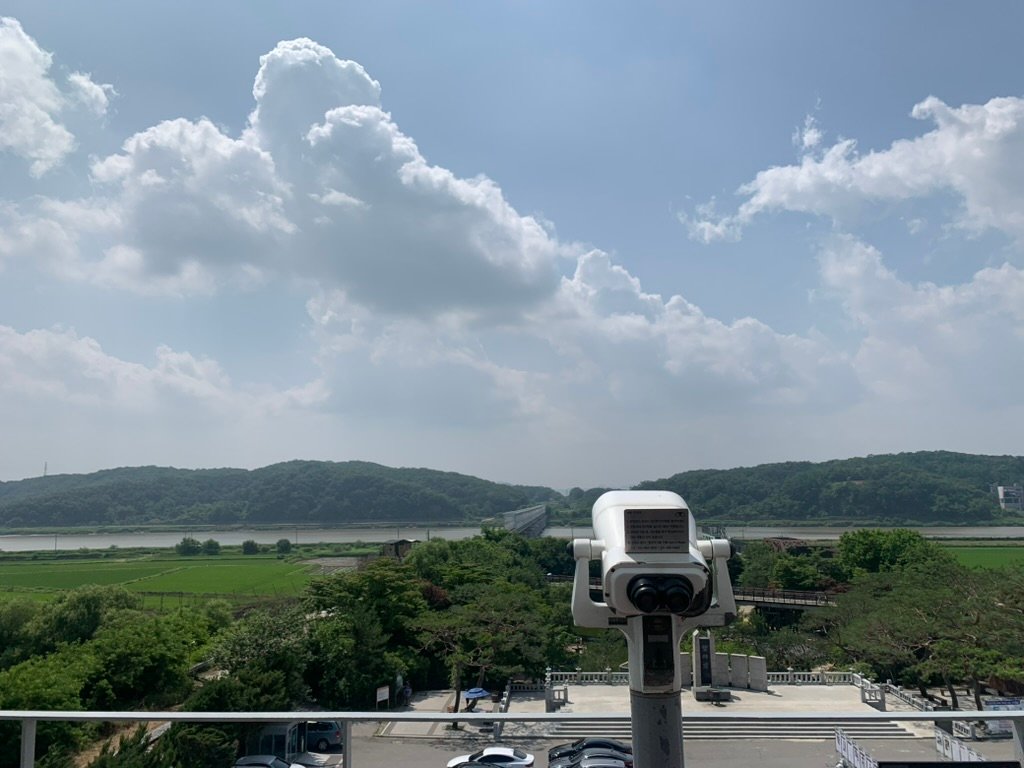
None of this is required reading before a trip. But once you know it, a few things click into place fast: why a DMZ tour is a normal day trip, why the skyline looks like it was built in the last 30 years (it mostly was), and why a country that was desperately poor within living memory is now exporting so many of the cultural trends you came here for.
Leave a Reply